The geography of diesel fuel imports to Ukraine changed significantly in July 2026: with record supplies from Romania, imports from Greece, Turkey and Israel fell sharply, and the main load increasingly shifted to the western border.
According to the "Consulting Group A-95", a total of 562,000 tons of diesel fuel was imported by Ukraine in July, which is 5% more than the same indicator last year.
In the southern direction, the only major source that significantly increased supply was Romania.
Imports of Romanian diesel fuel increased by 25% — from 143.4 thousand tons in July 2025 to 179.3 thousand tons in July of the current year. This is the maximum indicator since the beginning of 2025.
A completely different dynamic was observed in relation to other suppliers of the southern and Mediterranean direction.
Imports from Greece decreased by 45% — from 60.7 thousand to 33.1 thousand tons. According to the A-95 infographic, supplies from Turkey fell from approximately 31,000 tons to several thousand tons, and from Israel were reduced to single lots.
At the same time, there was a sharp increase in supplies through Poland and Lithuania.
Poland increased diesel exports to Ukraine by 26% to 202,800 tons, Lithuania immediately to 65%, up to 84.3 thousand tons.
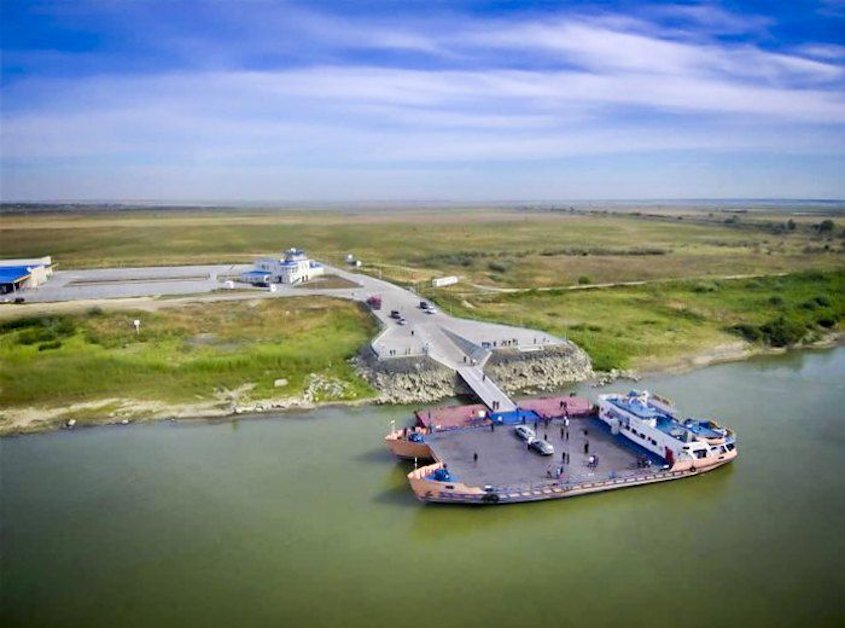
According to the assessment of the director of "A-95" Serhiy Kuyun, one of the main reasons for the redistribution of flows was the record shallowing of the Danube, which created additional logistical difficulties, as well as ongoing security risks.
As a result, Poland turned into the largest channel for supplying Ukraine with diesel fuel, and Poland, Romania and Lithuania together provided 83% of all of July imports.
The changes show how quickly the Ukrainian market is forced to rebuild supply routes depending on the state of river logistics, the security of the Black Sea region and the availability of European oil products.
At the same time, even the growth of total imports did not make it possible to completely avoid fuel shortages in July. In "A-95", this is explained by a combination of increased demand, price agitation and increased consumption of diesel fuel by transport.
In August, analysts expect an increase in supply and stabilization of the market.
Source: "A-95 Consulting Group"